

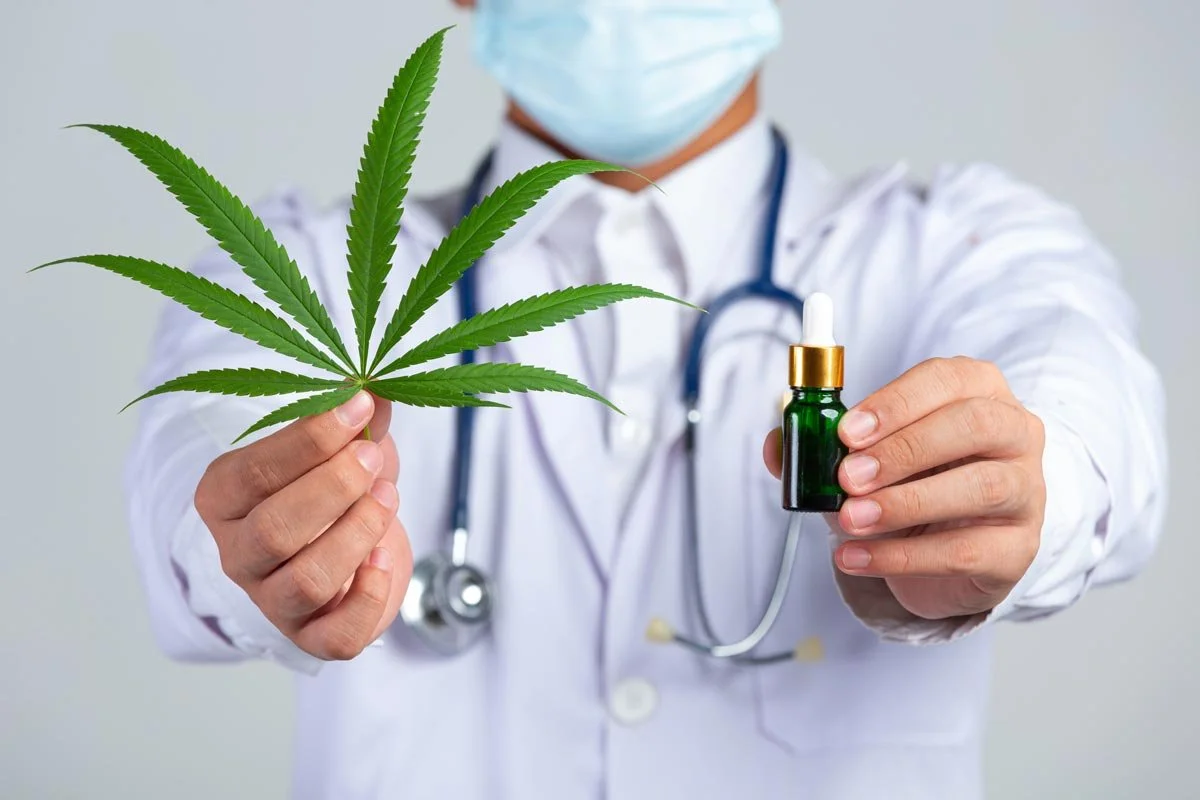
Below Is a FREE TO DOWNLOAD short audio about new discoveries in medical cannabis.
Cannabis Makes An Important Shift In Modern Medicine
Written by Casper Leitch
Let’s explore one of the most important shifts happening in modern medicine. Medical cannabis, once treated as a fringe therapy, is now entering a new era — one shaped by clinical evidence, patient experience, and a growing body of research that spans mental health, chronic pain, and even cancer biology. What was once controversial is becoming a serious part of medical conversations across the country.
To understand why this shift is happening, it helps to look at the kinds of patients turning to medical cannabis today. Many of them aren’t looking for recreational effects. They’re people who have tried traditional medications and found them lacking. They’re people living with chronic pain, trauma‑related stress, or cancer diagnoses that bring both physical and emotional challenges. And increasingly, they’re finding relief in carefully supervised cannabis treatments.
Let’s begin with mental health, because this is one of the fastest‑moving areas of cannabis research. Over the past two years, clinical trials have shown that certain cannabis formulations (especially CBD‑dominant blends and balanced THC and CBD ratios) can significantly reduce anxiety, improve sleep, and help regulate trauma‑related symptoms. Veterans’ studies have been especially striking. In several trials, participants reported reductions of forty to sixty percent in PTSD symptoms, including intrusive memories, hyper-vigilance, and sleep disturbances.
What makes this trend so important is that many traditional medications for anxiety and PTSD come with side effects or limited effectiveness. Some patients simply don’t respond to them. Others struggle with sedation, dependency, or emotional blunting. Cannabis, when used responsibly and under medical supervision, offers a different kind of relief. It doesn’t erase trauma, but it can help regulate the nervous system, calm the body’s stress response, and improve sleep quality - something that’s essential for long‑term healing.
Doctors who once dismissed cannabis are now paying attention. They’re seeing patients who can function better at work, maintain relationships more easily, and manage symptoms that previously felt overwhelming. And while cannabis isn’t a cure‑all, the evidence suggests it can be a powerful tool for people who haven’t found success with traditional treatments. This is why mental‑health‑related cannabis research is accelerating, and why more states are expanding access for conditions like anxiety, PTSD, depression, and sleep disorders.
Now let’s turn to chronic pain, which remains one of the most common and costly medical challenges in the United States. For decades, opioids were the default treatment for severe or persistent pain. But the opioid crisis revealed the dangers of long‑term use, it's dependency, the chance of overdose, and a host of social and economic consequences. As a result, doctors and policymakers have been searching for safer alternatives to turn to.
Medical cannabis has emerged as one of the most promising options. Large‑scale studies published in 2026 show that cannabis can reduce chronic pain by thirty to seventy percent, depending on the condition and the formulation used. Patients with arthritis, neuropathy, back injuries, and fibromyalgia have reported meaningful improvements in daily functioning. And perhaps most importantly, states with medical cannabis programs continue to see decreases in opioid prescriptions and opioid‑related deaths.
This doesn’t mean cannabis replaces opioids entirely. But it does mean that many patients can use fewer opioids, or avoid them altogether. Balanced THC and CBD formulations appear to be especially effective, offering pain relief without overwhelming psychoactive effects. And unlike opioids, cannabis does not suppress breathing, which is the mechanism behind most fatal overdoses.
Doctors are beginning to integrate cannabis into multi-modal pain‑management plans. Physical therapy, lifestyle changes, and non‑opioid medications remain important, but cannabis is becoming a valuable part of the toolkit. Patients often describe it not as a numbing agent, but as something that helps them move more freely, sleep more deeply, and engage more fully in daily life. For people living with chronic pain, those changes can be transformative.
The third major area of growth is cancer‑related research, which has expanded dramatically over the past year. Nearly two hundred cannabis studies published in 2026 include findings related to tumor biology, symptom management, and adjunct therapies. Some of the most promising results involve breast cancer and skin cancer.
In breast‑cancer research, CBD has shown the ability to trigger cell death in certain cancer cells through multiple pathways. A study using exosome‑based oral CBD slowed the progression of aggressive triple‑negative breast cancer in mice — a form of cancer that is notoriously difficult to treat. While these findings are early and not yet ready for clinical application, they point to a future where cannabinoids may play a role in supporting traditional cancer treatments.
Skin‑cancer research has also produced intriguing results. Several cannabis compounds appear to target growth pathways linked to metastasis. Again, these findings are preliminary, but they’re encouraging enough that oncology researchers are expanding their studies. The goal isn’t to replace chemotherapy or radiation, but to explore whether cannabinoids can enhance treatment outcomes or reduce side effects.
Beyond tumor biology, cannabis continues to play a major role in symptom management for cancer patients. It helps with nausea, appetite loss, pain, and sleep — four areas where traditional medications often fall short.
Many oncologists now recommend cannabis as part of supportive care, especially for patients undergoing chemotherapy. The focus is on improving quality of life, reducing suffering, and helping patients maintain strength during treatment.
Taken together, these three areas — mental health, chronic pain, and cancer research — paint a picture of a medical field in transition. Cannabis is no longer viewed as an outsider or an alternative. It’s becoming a legitimate therapeutic option supported by evidence, patient experience, and ongoing research. The stigma is fading, replaced by curiosity and cautious optimism.
This shift is also changing how medical systems operate. Hospitals are developing cannabis‑education programs for clinicians. Universities are launching cannabinoid‑research centers. And states are revising medical‑cannabis laws to reflect new scientific understanding. What was once a patchwork of inconsistent policies is slowly becoming a more coherent medical framework.
Of course, challenges remain. Cannabis is not a perfect treatment, and it’s not appropriate for every patient. Dosage, formulation, and individual biology all play important roles. More research is needed, especially large human trials. And federal regulations continue to complicate access and study design. But the momentum is undeniable. Medical cannabis is becoming part of mainstream medicine, and its role will only grow as research expands.
As we move through 2026 and beyond, the medical community will continue to refine how cannabis is used, who benefits most, and how it fits into broader treatment plans. But for now, the message is clear. Cannabis is helping people who have struggled for years with anxiety, trauma, chronic pain, and cancer‑related symptoms. It’s offering relief where other treatments have failed. And it’s opening new doors in medical research that were closed for decades.